

Trailer Wraps in Houston, TX
Your trailer can do more than carry equipment, inventory, or vehicles. It can put your business in front of people wherever you take it. At Jay The Wrap Specialist, trailer wraps in Houston give enclosed cargo trailers, concession trailers, car haulers, and utility trailers a purposeful, branded appearance. Start with your logo, your message, and the surfaces available, then build a layout that makes sense around doors, hardware, and access points. Call (346) 245-4998 to discuss your trailer, your coverage goals, and the look you want your business to present.
Let’s give your trailer a clear brand identity.
Why Choose Trailer Wraps in Houston for Your Business
A trailer gives your brand a substantial canvas without asking your tow vehicle to carry the entire message. An enclosed side panel can introduce your business, while rear doors can give people a clear next step. Think of your trailer as a moving billboard with a practical job to do.
Good trailer graphics establish a visual hierarchy. Your business name should lead, your main service should support it, and your contact details should be easy to find. Keeping layouts clean helps your message remain clear around door seams and hardware.
A coordinated trailer also helps connect your equipment with your business identity at delivery locations, vendor spaces, and job sites. Explore how trailer graphics fit into your broader commercial vehicle branding so your trailer and tow vehicle feel like parts of the same business.

Google reviews
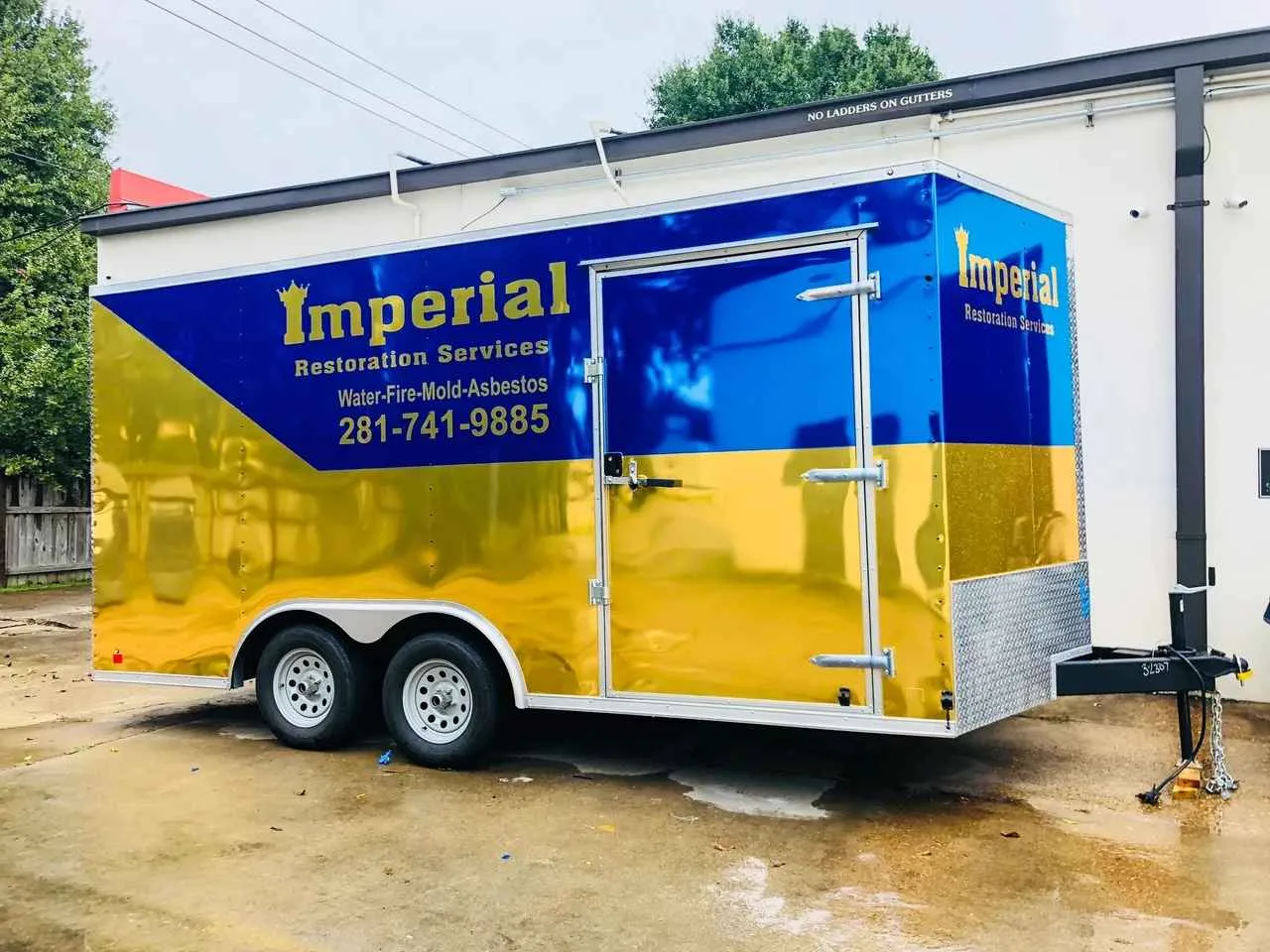
Trailer Wraps Houston Businesses Can Build Around
Trailer type shapes the design. Enclosed cargo trailers offer broad side panels, while concession trailers need layouts that respect serving windows and menu areas. Car haulers may offer enclosed sides or more limited usable surfaces, depending on their construction.
Utility trailers call for a different approach. Rails, open sections, storage boxes, and solid panels determine where graphics can work. Your coverage plan is built specifically around your trailer.
Build your project around the surfaces and messages that matter:
- Enclosed cargo trailer graphics
- Concession trailer branding
- Enclosed car hauler wraps
- Utility trailer panel graphics
- Rear door contact layouts
- Coordinated tow vehicle branding
A focused partial wrap delivers a strong result using your existing panel color as part of the design. A focused partial wrap can use existing panel color as part of the design, provided the surface condition and contrast support the intended look.
What Your Trailer Wrap Project Covers
Your project starts with the trailer itself, not just a logo placed on a rectangle. These elements help shape a wrap that balances appearance, readability, and practical access.
Trailer and Surface Assessment
Review your trailer’s panel layout, existing graphics, finish condition, and construction before settling on coverage. Rivets, seams, exposed fasteners, and textured areas can affect the approach. Identifying those details early guides us toward the ideal material and coverage for your trailer.
Brand Message and Layout Planning
Give your logo, service description, and contact information distinct roles in the design. Your side panels and rear doors do not need identical layouts. Each view should communicate clearly while staying connected through consistent colors, typography, and visual style.
Full and Partial Coverage Planning
Choose coverage based on your goals and usable panel space. A full wrap can create a broad visual change, while partial coverage can frame your branding around the trailer’s existing finish. The right choice depends on condition, design, material, and how you use the trailer.
Door and Hardware Coordination
Plan artwork intentionally around hinges, latches, handles, vents, and access doors. A concession window or cargo door can divide a key message when opened. Thoughtful placement helps keep important information on suitable panels without interfering with normal operation.
Graphic Placement and Edge Detail
Panel transitions and terminations deserve attention alongside the main artwork. The installation approach should account for the trailer’s construction, including where graphics meet trim or separate across doors. These decisions give the finished layout a deliberate, professional appearance.
Care and Future Update Guidance
Know how to clean your graphics and recognize areas that need attention. Discuss future changes to service lists, contact details, or branding before finalizing artwork. Keeping changeable information in a defined area makes later revisions straightforward.
Start with a wrap plan built around your trailer.
Get a QuoteHow Your Trailer Wrap Project Takes Shape
A clear sequence keeps the design connected to your trailer’s dimensions, construction, and daily use.
Consultation and Trailer Review
Share your trailer type, photos, branding files, and intended message. Discuss whether the trailer carries tools, serves customers, or transports vehicles, along with the coverage you have in mind.
Design and Coverage Planning
Work through the visual hierarchy and panel layout. Check logo placement, contact details, door breaks, and any required clearances so the artwork reflects the trailer you actually use.
Surface Preparation and Installation
The installation stage follows the agreed coverage plan and surface requirements. Existing graphics or finish concerns may need attention before new vinyl can be applied to suitable areas.
Review and Care Discussion
Review the finished graphics and discuss cleaning, inspection, and future changes. Use that conversation to understand how to look after edges, seams, and graphics near frequently handled access points.
Bring your trailer branding idea into focus.
Schedule Your ConsultationSigns Your Trailer Branding Needs Attention
Your trailer may still work well while its graphics no longer represent your business. Look for these reasons to revisit the design or condition.
Outdated Contact Information
An old phone number, retired service, or previous business name can send prospects in the wrong direction. Updated graphics should make the next step clear.
Peeling or Damaged Graphics
Lifting edges, torn sections, and missing lettering can make your branding look neglected. Have the existing material and underlying surface assessed before deciding how to replace it.
A Message Lost in Clutter
If your logo competes with dense service lists and decorative elements, simplify. A stronger hierarchy gives your business name and main offer room to stand out.
Mismatched Trailer and Tow Vehicle
Different logos or conflicting colors can make connected equipment look unrelated. Coordinating the visual language helps your trailer reinforce the identity already on your tow vehicle.
Useful Panels Left Unbranded
Blank enclosed sides or rear doors may offer room for a clearer business presence. Evaluate those surfaces to determine the right amount of coverage for effective communication.
Planning Trailer Graphics That Work Beyond the Mockup
Match the Message to the Trailer
A concession trailer may need prominent food branding and a clear ordering area, while a contractor’s cargo trailer may need a service category and contact details. A car hauler might emphasize a business identity without filling the sides with text. Start with what someone should understand, then remove competing information.
Design Around Construction Details
Riveted panels, corrugated sections, trim strips, and replacement panels can influence installation choices and the finished appearance. Artwork should account for those features before production. Review your own trailer’s layout alongside examples in the wrap project gallery, rather than assuming a design will transfer unchanged between different trailer bodies.
Build Care Into Your Routine
Use cleaning methods appropriate for the installed film, and avoid directing aggressive pressure at edges or seams. Inspect graphics near handles, ramps, and loading areas for damage from regular use. The vinyl wrap care guide provides additional context, while your project’s care instructions should guide treatment of the specific material.

The most effective design focuses on clarity. It is the layout that fits your trailer, communicates your message, and respects the way you load, open, park, and use it.
“Jay and his team did excellent work on a difficult car. I would recommend him to anyone interested in quality work.”
Choose Jay The Wrap Specialist for Your Trailer
You deserve a conversation grounded in your trailer’s actual condition and your branding goals. Call (346) 245-4998 to discuss the panels, message, and coverage you want to bring together.
A Practical Starting Point
Bring photos of your trailer, including doors, corners, hardware, and existing graphics. Those details support a more useful discussion than a logo alone and help frame questions about coverage, preparation, and design.
A Broader View of Wrap Craft
Jay passes his large-format install methods to new installers through his car wrap training academy. For your trailer project, keep the conversation focused on material handling, surface suitability, and layout decisions that matter to your particular trailer.
Branding With a Clear Purpose
Your trailer should explain who you are without making people search for the message. Center the project on recognizable branding, readable contact information, and a design that supports your business rather than competing with it.
Houston Trailer Wraps Service Areas
Pull your trailer into our Sugar Land facility at 10555 Synott Rd B-700, Sugar Land, TX 77498, with straightforward access from Houston, Katy, Missouri City, Stafford, Pearland, Richmond and Rosenberg.
Hauling from outside the city? Check our full service area coverage to confirm we can wrap your trailer.
Our Services
Discover the full range of craft, from paint protection to tint, that defines Jay The Wrap Specialist.
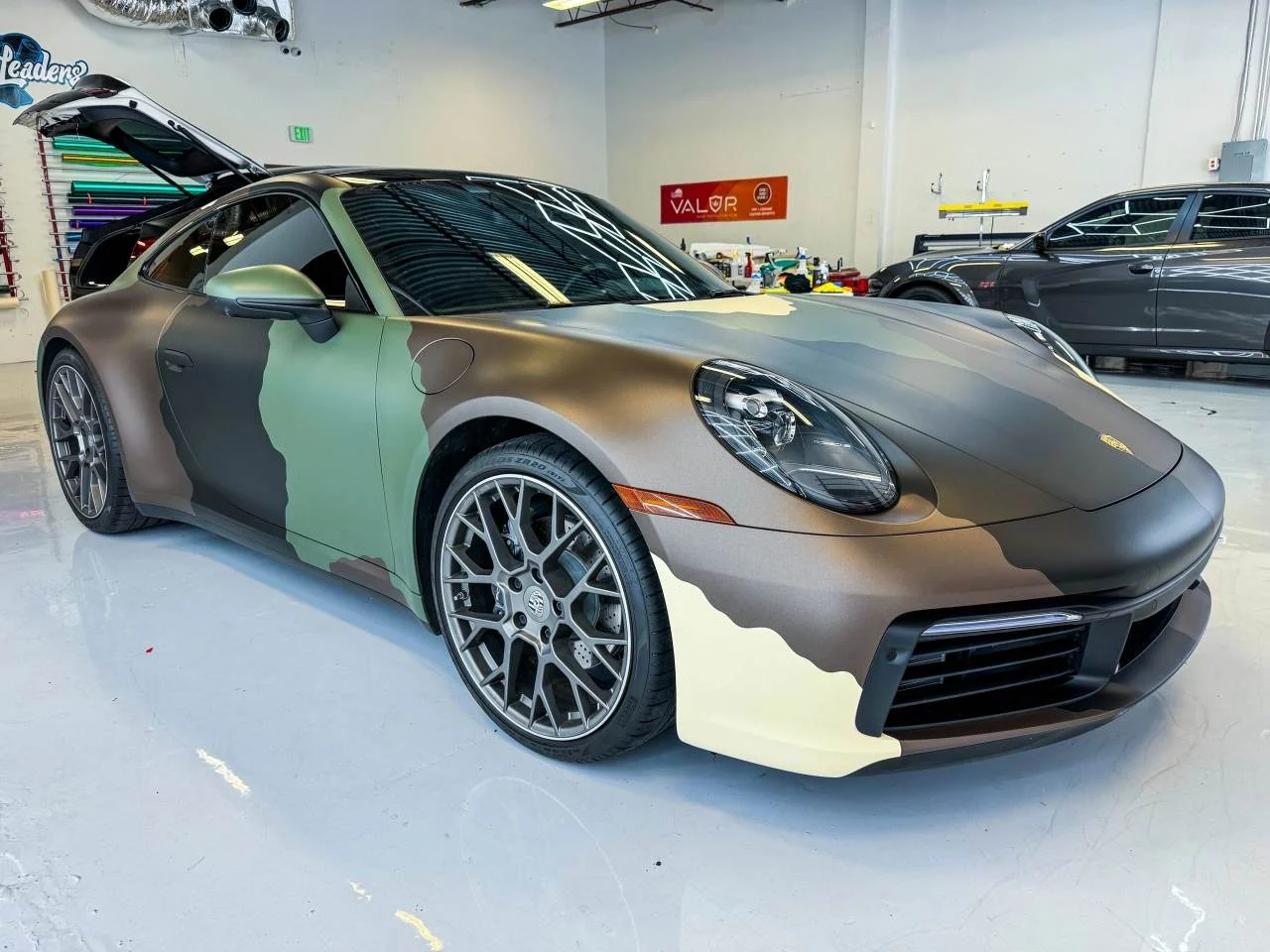
Vehicle Wraps
Matte, gloss, satin, or specialty finishes built to last 5 to 7 years with proper care.
View Vehicle Wraps Details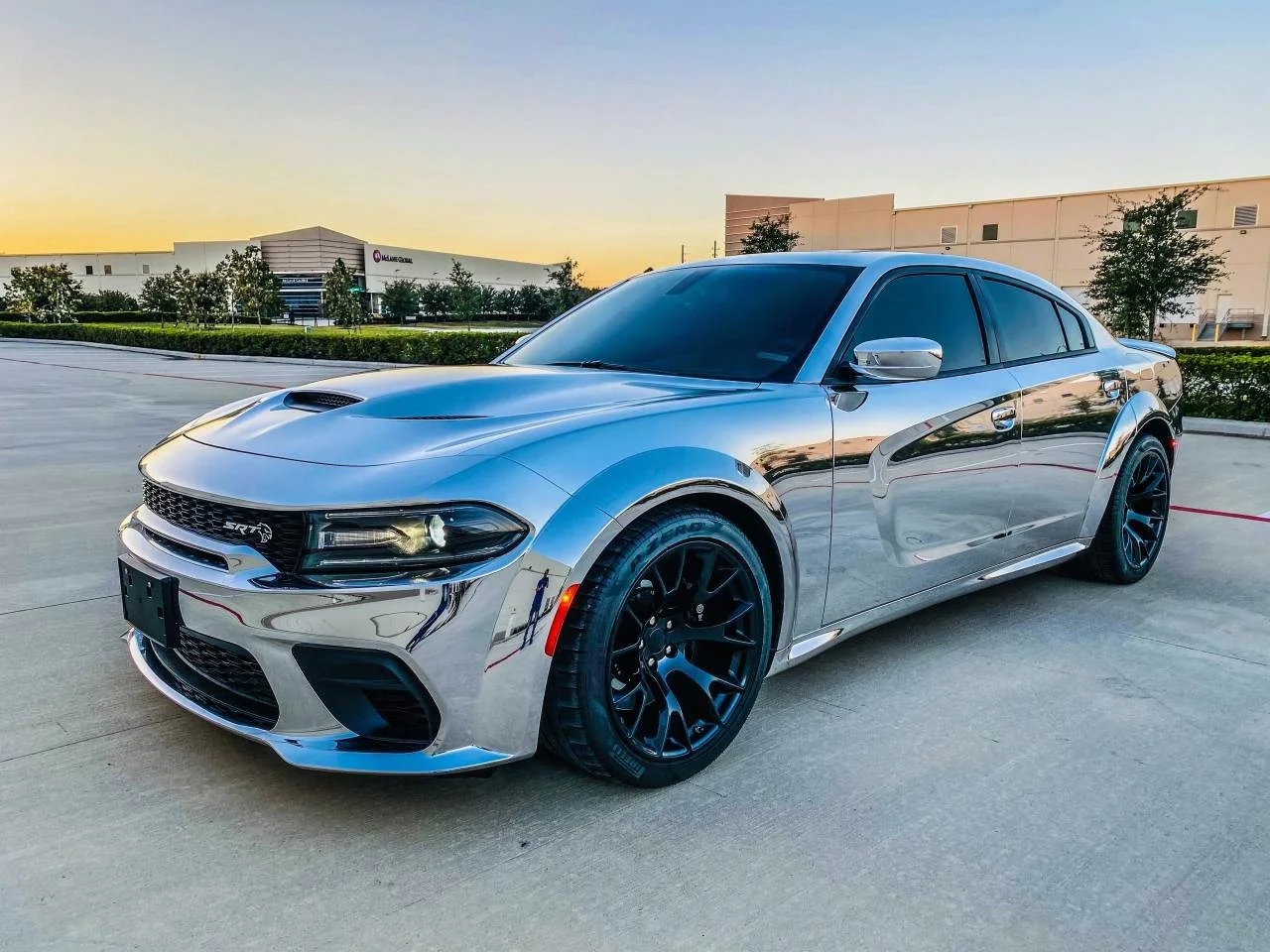
Chrome Wraps
3M Chrome Wrap film for a flawless high-gloss or satin mirror effect, installed without shortcuts.
View Chrome Wraps Details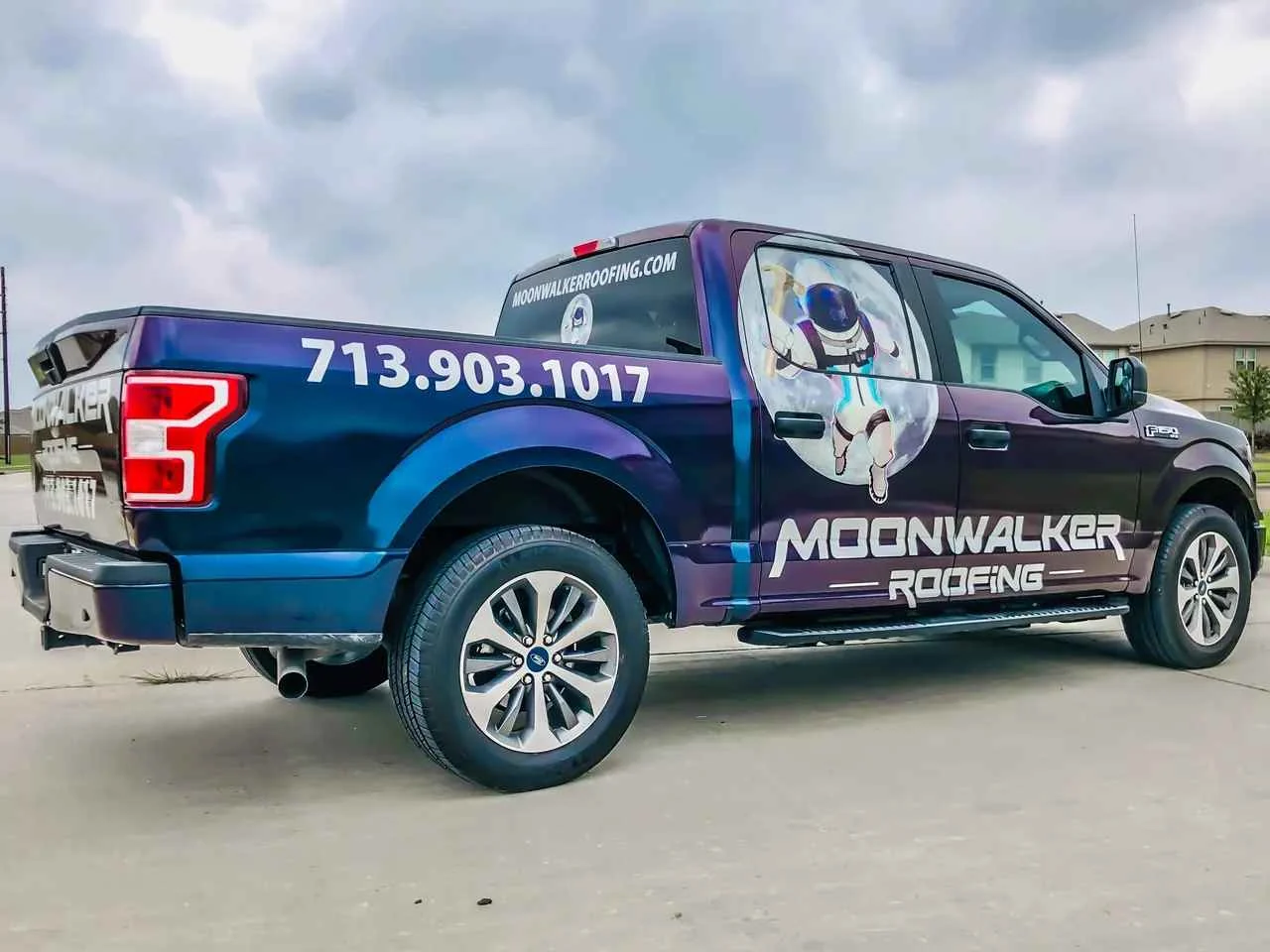
Fleet and Commercial Wraps
Fleet and company branding that delivers 15x greater name recognition than most other advertising media.
View Fleet and Commercial Wraps Details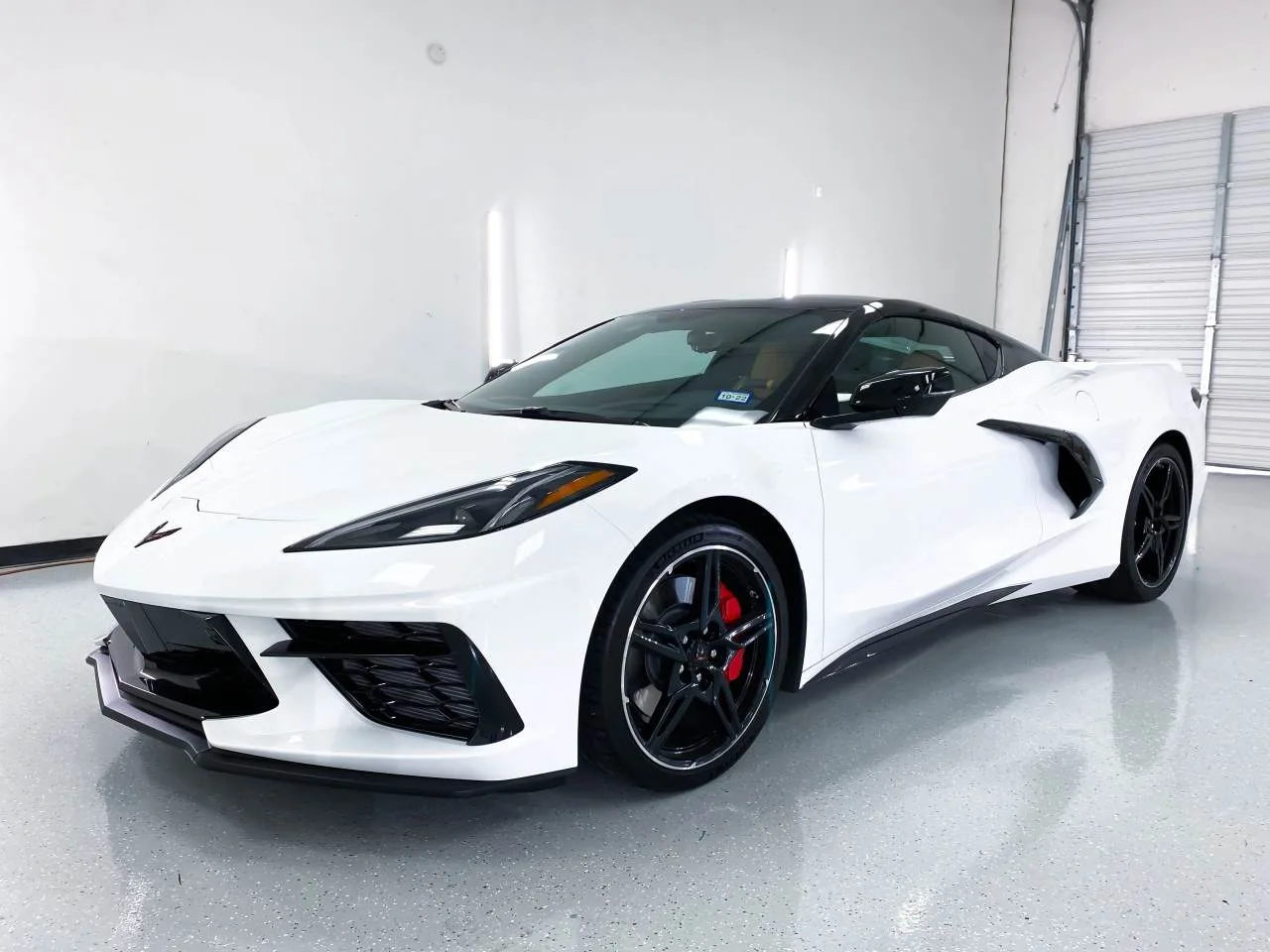
Paint Protection Film
Clear bra installation protecting paint from rock chips, scratches, and road debris for over 10 years.
View Paint Protection Film Details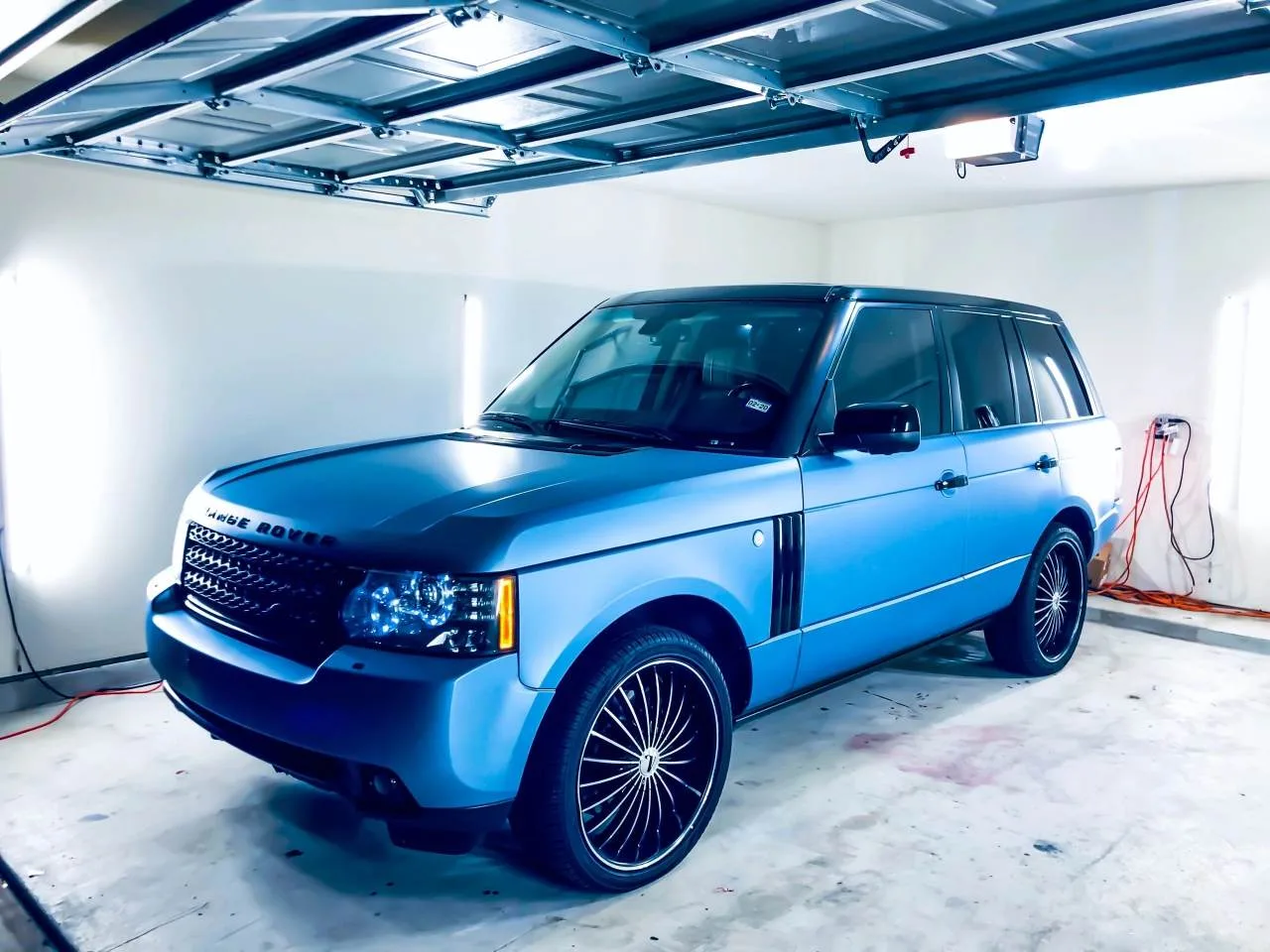
Ceramic Coating
Long-lasting UV, water spot, and contaminant protection for painted surfaces and vinyl wraps alike.
View Ceramic Coating Details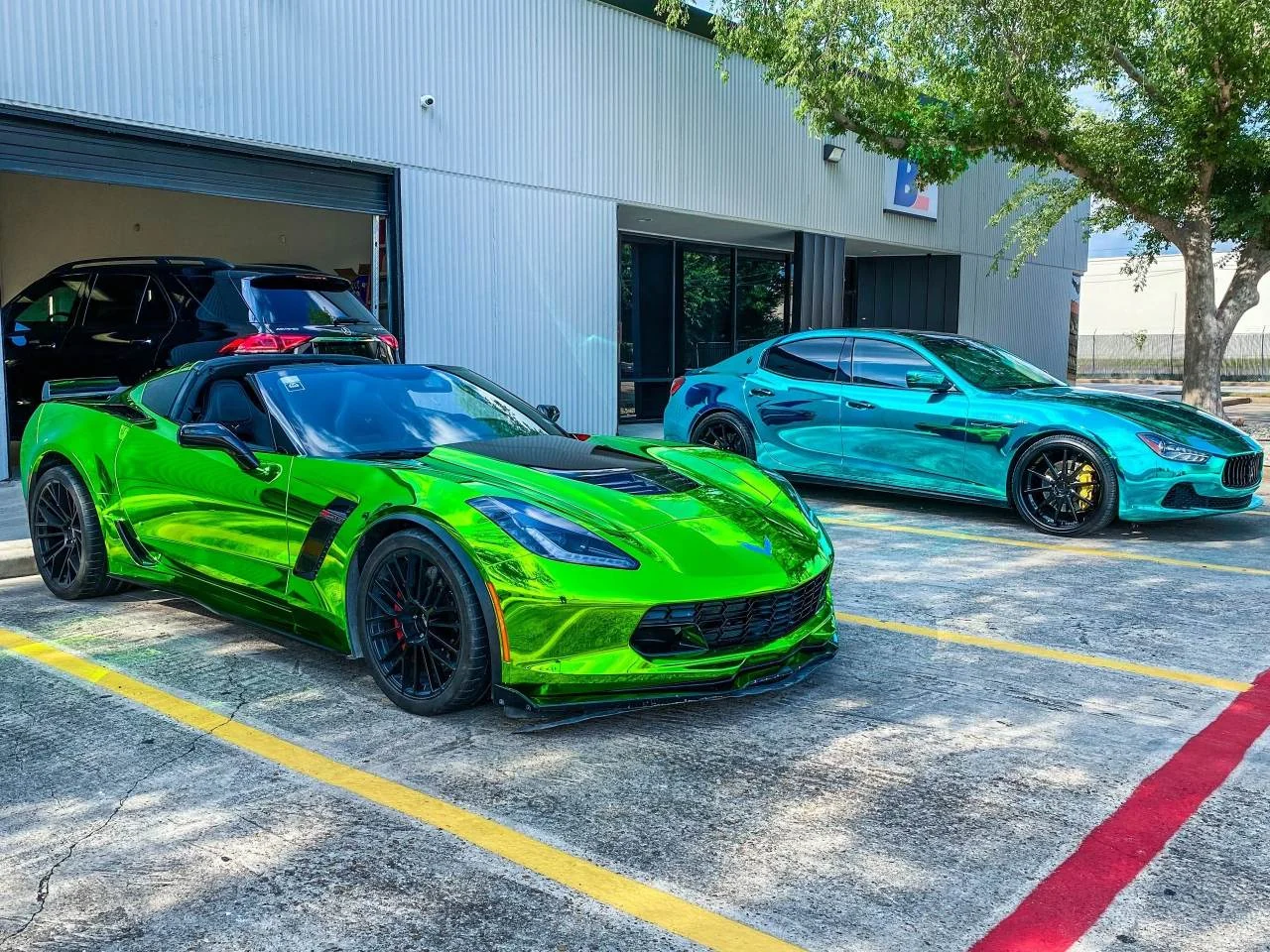
Wrap Colors
Hundreds of colors and finishes including matte, gloss, satin, chrome, and color-shift.
View Wrap Colors Details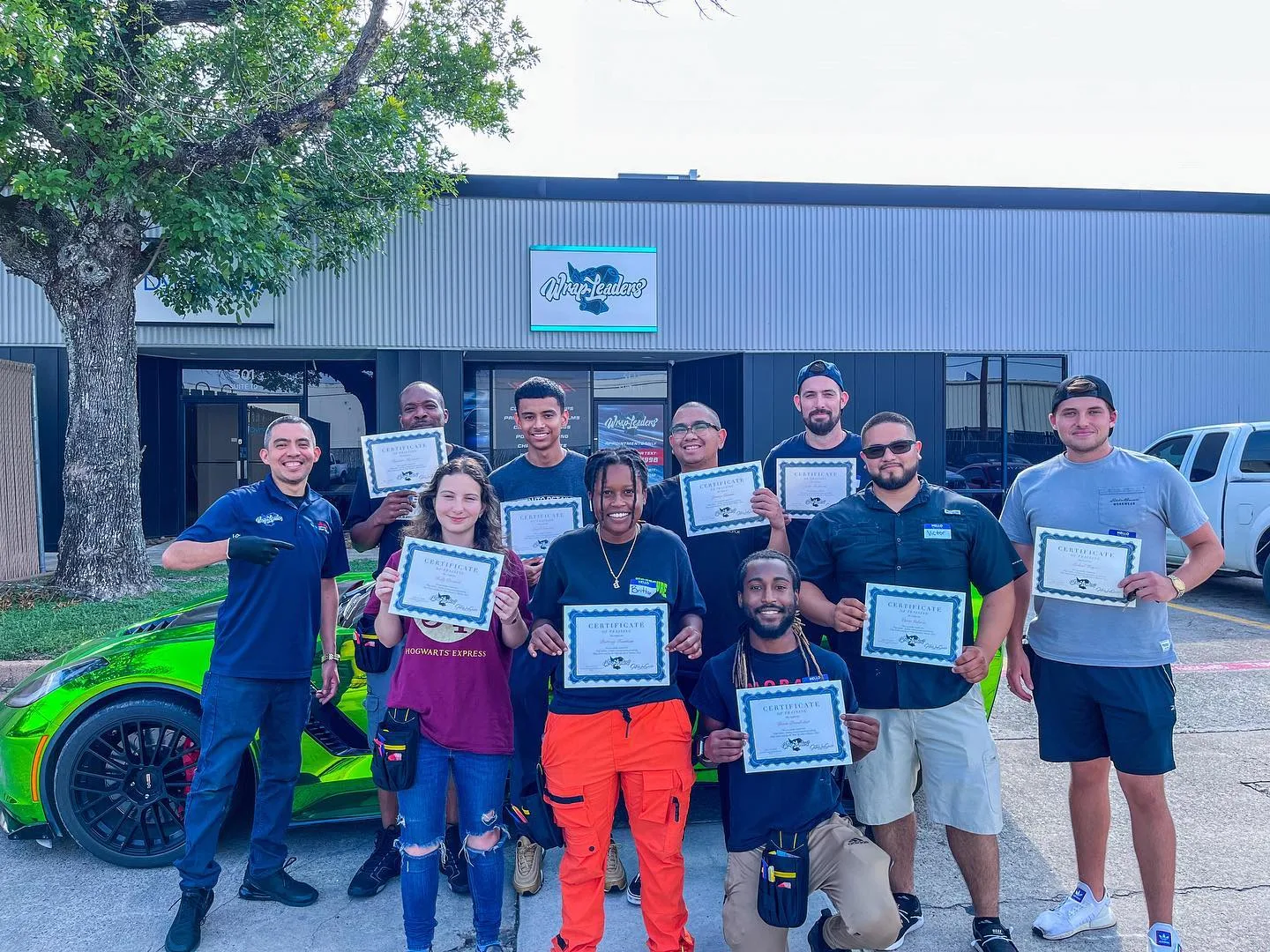
Car Wrap Training
Hands-on courses taught by Jay, covering design fundamentals to advanced installation techniques.
View Car Wrap Training Details
Vehicle Decals and Graphics
Custom decals for personal and commercial vehicles. Clean, precise, and built to hold up on the road.
View Vehicle Decals and Graphics DetailsFrequently Asked Questions
Give your trailer a purposeful presence wherever business takes you. Call Jay The Wrap Specialist at (346) 245-4998 to discuss trailer wraps in Houston and plan a design around your brand, your surfaces, and your working setup.
Put Your Trailer to Work for Your Brand
Turn a working trailer into a moving billboard with a message people can understand. Whether you use an enclosed cargo trailer, concession trailer, car hauler, or utility trailer, start with the surfaces available and the business identity you want to present.
Call (346) 245-4998 to discuss your trailer’s condition, existing graphics, and coverage ideas. Photos of the sides, rear, doors, and hardware can help explain the project and highlight details that deserve attention before design decisions are made.
Ready to move from a rough idea to a focused trailer wrap plan? Contact Jay The Wrap Specialist at (346) 245-4998 and bring your logo, preferred message, and questions about how your trailer can support your business.