
Car wrapping is one of the fastest-growing segments of the automotive customization industry, and Houston sits near the center of that growth. More drivers and business owners here are choosing vinyl wraps and Color PPF over traditional paint every year, and the reasons go well beyond aesthetics. A wrap or Color PPF changes how a vehicle looks, protects what is underneath, and can be undone entirely without touching the factory finish. For a city with Houston’s heat, car culture, and commercial density, both options are particularly well-matched solutions.
Car wrapping has become one of the most visible trends on Houston roads, and for good reason. A professionally installed vinyl wrap transforms a vehicle’s appearance without the permanence of a repaint, giving owners full control over color, finish, and graphic design. Color PPF takes that concept further by combining the aesthetic flexibility of a wrap with the protective properties of paint protection film, shielding the surface from road debris, UV exposure, and everyday wear while still delivering a dramatic visual upgrade. Both options have earned a strong following among Houston drivers, from individual owners looking to personalize a daily driver to fleet managers building brand recognition across dozens of vehicles.
What Car Wrapping Actually Is
Car wrapping is the process of applying a thin, adhesive-backed vinyl film directly over a vehicle’s existing paint. The film conforms to the shape of every panel, following curves, contours, and edges, and produces a finished surface that can look identical to a factory paint job or completely unlike anything that comes from a dealership.
The vinyl used in professional vehicle wraps is a cast film, meaning it is manufactured by casting liquid PVC onto a release liner and allowing it to cure into a thin, flexible sheet. This production method gives the material the dimensional stability and conformability needed to wrap complex automotive surfaces without creasing, bubbling, or pulling away from edges. The film includes an adhesive layer engineered to bond to automotive paint under pressure and heat, and a top layer (typically a UV-resistant clear laminate) that protects the color and finish from the elements.
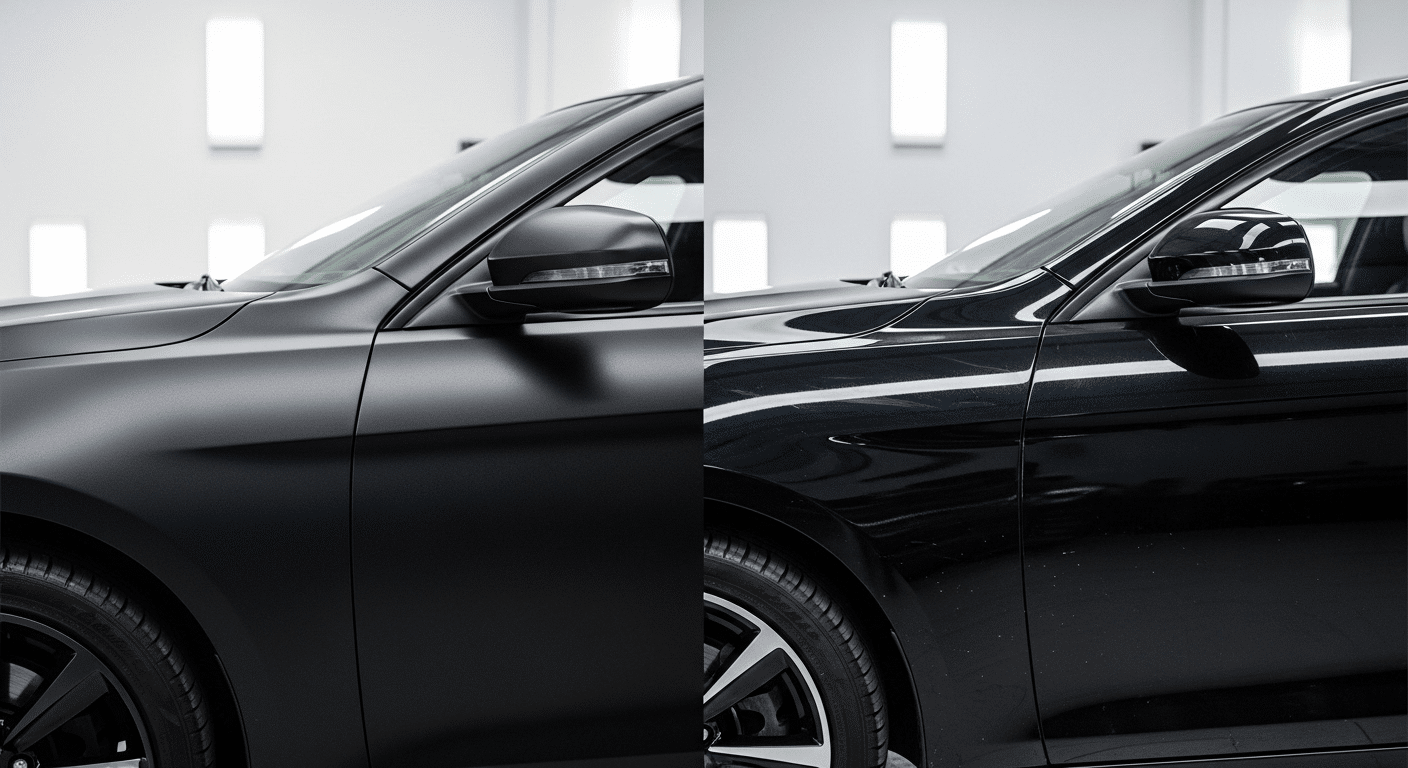
Wraps are available in a wide range of finishes that paint either cannot replicate or can only achieve at significant additional cost. Gloss, matte, satin, metallic, color-shift, brushed metal, carbon fiber texture, and chrome are all standard options. Browse the full range of available wrap colors and finishes to get a sense of how broad the design space actually is.
What Color PPF Adds to the Picture
Color PPF, sometimes called color paint protection film or fashion film, is a newer category that has become increasingly popular in Houston over the past few years. While vinyl wrap is built from PVC and engineered primarily for color and customization, Color PPF is built from thermoplastic polyurethane (TPU). This is the same material used in clear paint protection film, with pigment integrated directly into the structure.
The practical difference is significant. Color PPF runs roughly twice as thick as vinyl wrap, includes a self-healing topcoat that allows light scratches and swirl marks to disappear under heat, resists rock chips and chemical etching far better than vinyl, and typically lasts seven to ten years compared to five to seven for premium vinyl. The finish quality reads more like factory paint than wrap, with the depth and gloss that drivers familiar with luxury vehicles often associate with high-end factory finishes.
Color PPF is the right choice when a driver wants both a finish change and serious paint protection in one install. The trade-off is cost; Color PPF runs significantly more than vinyl wrap upfront. For drivers planning to keep their vehicle long-term, especially luxury and exotic owners, the longer lifespan and superior protection often justify the premium.
The Films We Trust at Jay The Wrap Specialist
Color PPF is taking over the industry, and Jay The Wrap Specialist is currently handling more of this material than anyone else in Houston. Our installers work with it every day, and demand keeps climbing as drivers discover what a TPU finish does for both protection and resale value.
For Color PPF projects, our shop installs 3M PWF (Protection Wrap Film), EVOLV Color PPF, SVG, Cheetah PCC, INOZETEK Dynamic Paint Protection, and STEK Airforce. Each film carries different strengths in specific colors, finishes, and protection levels, and our team selects the right material based on the vehicle, the customer’s vision, and the budget.
For traditional vinyl wrap work, we install 3M 2080, Avery Dennison, KPMF, and PWF. These PVC films deliver the broadest libraries of colors and patterns at lower price points, making them the right call for shorter-term color changes, fleet branding, and drivers prioritizing initial cost over longevity. Whether your goal is a bold transformation, premium protection, or a balance of both, we walk every client through the trade-offs before installation.
How the Wrap and Color PPF Process Works
Vehicle Inspection and Surface Preparation
Neither vinyl wrap nor Color PPF can fix underlying problems. Any dents, scratches, rust, or paint imperfections will telegraph through the film and show on the surface. Before installation begins, the vehicle is inspected for surface condition. Panels with significant damage need to be addressed before wrapping, not after.
Once the surface is confirmed, the vehicle goes through a thorough decontamination wash to remove all wax, oil, silicone, and road grime. Installers use a clay bar treatment and isopropyl alcohol wipe-down to bring the surface energy up to a level where the adhesive can bond properly. This preparation step is where many budget installations cut corners, and it is one of the primary reasons some installs fail prematurely. Color PPF demands even more rigorous preparation than vinyl wrap because the thicker TPU film makes contamination more visible and adhesion errors harder to correct.
Film Application
The vinyl or Color PPF is cut to fit each panel, either by hand or using digital templates pre-cut to the vehicle’s exact dimensions. Large sheets are positioned over the panel and smoothed outward from the center using squeegees to eliminate air bubbles and ensure full contact between the adhesive and the paint surface.
Complex areas like door handles, bumper contours, mirror housings, pillars, and edges require the installer to stretch and work the film into place with heat. A heat gun softens the film, making it more pliable and allowing it to conform to compound curves without memory stress. This is skilled work. Overheating thins and weakens the film. Underheating leaves stress points that will eventually cause the film to retract from edges. Color PPF is more challenging to install than vinyl wrap because of the thicker, less forgiving TPU material, which is why experienced installation teams matter even more for premium TPU projects.
Post-Installation Heat Treatment
After the film is applied across all panels, the entire install goes through a post-heating process. The installer uses a heat gun to fully activate the adhesive bond at all edges, corners, and recessed areas. This step locks the film into position and eliminates the residual memory that would otherwise cause edges to lift over time, particularly in Houston’s heat cycling.
A properly post-heated install sits flat, conforms fully to every surface it covers, and will hold its position through years of weather exposure. The difference between a wrap that starts lifting at six months and one that still looks sharp at five years often comes down to how thoroughly this step was executed. View our gallery to see what completed professional installations look like across vinyl wrap and Color PPF projects.
Wrap and Color PPF vs. Paint: Why Films Win on Several Counts
Cost
A high-quality professional paint job covering proper prep, multiple coats, color matching, and a clear coat finish costs anywhere from $3,000 to $10,000 depending on the vehicle and the shop. A professional full vinyl wrap runs roughly $2,500 to $5,000 for most passenger vehicles, delivering the same visual transformation at a lower or comparable price point. Color PPF lands above vinyl wrap, typically $7,500 to $15,000 for full coverage, but still well within range of high-end paint jobs while adding superior paint protection. Check our car wrap pricing page for Houston-specific ranges by vehicle type.
Reversibility
Paint is permanent. Once a car is repainted, the original factory finish is gone. Vinyl wrap and Color PPF are not. When either film is removed correctly using heat to release the adhesive, the factory paint underneath is preserved exactly as it was on the day the install went on. This matters enormously for resale value, for leased vehicles, and for anyone who wants flexibility to change their vehicle’s appearance in the future.
Design Range
Paint is limited by what can be mixed and sprayed. Matte paint finishes, for example, are notoriously difficult to achieve and maintain through a standard paint process. Vinyl wraps deliver matte, satin, brushed metal, color-shift, and printed graphic designs as standard offerings. Color PPF is more limited in design range than vinyl (the pigment is integrated into the film itself, so prints and patterns aren’t options), but the available colors and finishes deliver a depth and consistency that vinyl cannot match. A custom-printed photographic design or branded livery is achievable through vinyl wrap at a fraction of paint pricing and in a fraction of the time.
Paint Protection
A vinyl wrap acts as a physical barrier between the factory paint and everything the road throws at it. UV radiation that fades paint over time, minor stone chips, bird droppings, and road grime all contact the vinyl first. Color PPF takes paint protection to the next level. The thicker TPU material absorbs rock chips that vinyl cannot, the chemical resistance of the topcoat handles bird droppings and bug acid better, and the self-healing performance keeps minor scratches from accumulating. For drivers who want maximum protection for the original factory paint, paint protection film (clear or color) is the strongest option available.
Turnaround Time
A quality paint job removes the vehicle from service for up to two weeks. A professional vinyl wrap installation is completed in two to three days for most passenger vehicles. Full Color PPF coverage typically takes three to five days due to the thicker material and more demanding installation process, but still beats paint by a significant margin. For commercial operators and fleet owners, that difference in downtime has direct cost implications.
Why Houston Drivers Choose Wraps and Color PPF Specifically
The Climate Argument
Houston’s UV intensity and surface temperatures are among the most demanding in the country for any exterior vehicle finish. A quality wrap, particularly one finished with a ceramic coating over the vinyl, provides a UV-resistant barrier that helps the factory paint underneath last longer than it would exposed. Color PPF takes this protection further with built-in UV inhibitors throughout the TPU material. Drivers in Sugar Land, The Woodlands, Stafford, and across the metro who park outdoors regularly are actively protecting their paint investment by wrapping or installing Color PPF, not just changing the look of their vehicle.
Car Culture and Personal Expression
Houston has a serious car culture. From car meets in parking lots across the metro to the thriving enthusiast community that follows builds and modifications closely, vehicles are expressions of identity here in a way that not every city can match. Vinyl wrap and Color PPF let owners change colors seasonally, try finishes that paint cannot achieve, and stand out in a market where distinctive presentation matters.
Color-change wraps are particularly popular for this reason. A driver who wants their daily car in satin black, or their weekend vehicle in a color-shift finish that reads differently in different lighting, does not have to commit to paint. The film comes off cleanly when they are ready for something new. Color PPF appeals to a slightly different segment, drivers who want the same color flexibility but with paint-grade finish quality and serious protection on a long-term-keep vehicle.
Commercial and Fleet Branding
Houston’s commercial density, with millions of vehicles on major corridors like I-10, I-45, Beltway 8, and US-59, makes it one of the highest-impression markets in the country for vehicle advertising. A wrapped commercial vehicle in Houston generates between 30,000 and 70,000 impressions per day. For small businesses, contractors, service providers, and growing companies, that reach is cost-effective in a way that digital advertising and traditional media cannot replicate.
Fleet wraps create brand consistency across multiple vehicles without the cost or permanence of paint. When branding evolves, the wrap changes; the vehicle does not need to be refinished. Commercial wraps are available for single vehicles and full fleets, and the design can be standardized across an entire operation. Most commercial fleets stick with vinyl wrap for cost and design flexibility, while luxury executive transportation and premium brand vehicles increasingly choose Color PPF for the upscale finish quality.
Resale Value Preservation
Houston’s used vehicle market is active and competitive. A vehicle with original factory paint in good condition commands a premium at resale. A wrapped or Color PPF-protected vehicle, when the film is removed before sale, presents that original paint preserved beneath. Owners who choose to wrap or install Color PPF rather than repaint are protecting a financial asset. This is especially relevant for River Oaks, Memorial, and Bellaire owners managing luxury and high-value vehicles where paint condition is scrutinized closely by buyers. Color PPF carries an additional resale advantage because the underlying paint stays in even better condition over a longer ownership window.
Frequently Asked Questions
Does car wrapping or Color PPF damage the paint underneath?
A professionally installed wrap or Color PPF on paint that is in good condition does not damage the factory finish. The adhesive is designed to release cleanly from automotive clear coating. The one scenario where paint damage can occur is if the underlying paint has existing chips, thin spots, or repairs done with lower-quality products. A qualified installer assesses paint condition before installation begins.
How long does a wrap or Color PPF last in Houston?
A professionally installed vinyl wrap using premium cast film lasts four to six years on a vehicle kept primarily outdoors in Houston. Garaged vehicles with protective coatings applied over the wrap can reach six to seven years. Color PPF runs longer, typically six to eight years for outdoor vehicles and eight to ten years for garaged ones, thanks to the more durable TPU material and built-in UV inhibitors. Houston’s UV intensity and heat cycling are harder on films than milder climates, so consistent maintenance and protective coatings make a meaningful difference for both materials.
Can any vehicle be wrapped or have Color PPF installed?
Most vehicles can be wrapped or have Color PPF installed, with surface condition being the primary determining factor. A vehicle with smooth, intact factory paint is an ideal candidate. One with significant rust, peeling clear coat, or deep structural damage will need bodywork addressed first. Both materials follow the surface exactly, so they do not hide problems; they reveal them.
What is the difference between a full wrap and a partial wrap?
A full wrap covers every visible exterior panel of the vehicle (hood, roof, sides, rear, and bumpers). A partial wrap covers a selected portion, typically the rear half, both doors, or specific accent panels, while leaving the rest of the vehicle in its original color. Partial wraps cost less and work well when the factory color integrates naturally into the design. Full wraps deliver complete transformation with no exposed factory paint. Color PPF is most often installed as full coverage to maximize the protective benefits, though partial Color PPF is possible for high-impact areas like the front clip.
Can I wash a wrapped or Color PPF-protected car normally?
Hand washing is recommended. Automatic car washes with spinning brushes can lift edges and cause fine scratches that dull the finish. A pH-neutral soap applied with a soft microfiber mitt and rinsed with low-pressure water is the standard care method. Touchless car washes are generally acceptable as an occasional alternative when hand washing is not practical. Color PPF tolerates a slightly wider range of products than vinyl, but the same gentle approach is best practice for both.
How much does a car wrap or Color PPF cost in Houston?
Partial wraps start lower, while full vinyl wraps on passenger vehicles typically run from $2,500 to $5,000 depending on vehicle size, design complexity, and the finish selected. Specialty finishes like chrome or color-shift cost more. Color PPF runs from $5,000 to $10,000 for partial coverage and $8,000 to $15,000 for full coverage, depending on the specific film and vehicle. Commercial and fleet pricing varies based on vehicle type and quantity.
Should I choose vinyl wrap or Color PPF?
For drivers prioritizing initial cost, design flexibility, fleet branding, or shorter ownership windows, vinyl wrap is the better choice. For drivers wanting both a finish change and serious paint protection, planning to keep the vehicle five or more years, or driving luxury or exotic vehicles where image and protection both matter, Color PPF is worth the upgrade despite higher upfront cost. Our team helps every client work through the decision based on the specific vehicle and goals.
Is car wrapping worth it compared to repainting?
For most Houston drivers, yes. Vinyl wrap and Color PPF deliver visual results comparable to or better than a quality paint job at a lower or similar price, offer reversibility that paint cannot, provide UV and scratch protection for the underlying paint, and require less time out of service. The case is even stronger for commercial operators who need consistent branding across a fleet without the cost and permanence of paint.
About Jay The Wrap Specialist
Jay The Wrap Specialist is the Greater Houston Area’s leading installer for vehicle wraps, Color PPF, and paint protection film, with over 4 million social media followers and more than 2 billion views built on a reputation for expert installations and bold, creative work. We currently handle more Color PPF volume than any other shop in the Houston market, working with the industry’s most respected films from 3M, EVOLV, SVG, Cheetah PCC, INOZETEK, STEK Airforce, Avery Dennison, and KPMF.
Serving Sugar Land, Stafford, Missouri City, Bellaire, Richmond, River Oaks, Memorial, Rosenberg, The Woodlands, Meadows Place, West University Place, and beyond, our team handles every project from surface preparation through final inspection, using premium materials and climate-aware techniques built for Houston.
Thinking About a Wrap or Color PPF? Start Here
Whether you are new to vehicle wrapping or ready to book, Jay The Wrap Specialist walks you through finish options, coverage choices, material trade-offs between vinyl wrap and Color PPF, and what to expect at every step. Call (346) 245-4998 or contact us online to get your consultation scheduled. Whether the goal is a bold color change, premium paint protection, or a complete transformation, we make sure every vehicle leaves the shop looking exactly the way it should.